NAIROBI, Kenya, July 29, 2026 — Calls for women's empowerment took on a sharper political tone at the Women Achievers Africa Conference and Awards (WACA) 2026, with African leaders warning that intimidation, economic inequality and discrimination continue to lock millions of women out of leadership despite their significant contribution to national development.
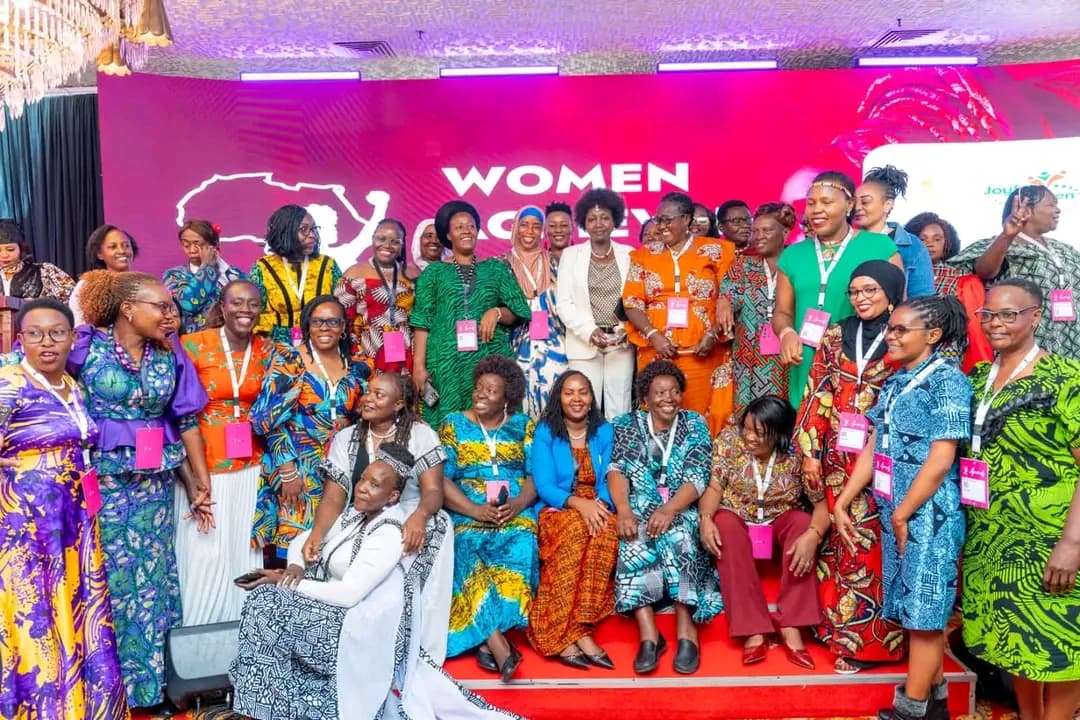
The three-day conference brought together policymakers, business executives, entrepreneurs, civil society leaders and development partners from across the continent to examine practical solutions for advancing women's leadership, economic inclusion, governance and innovation.
Opening the conference, National Assembly Deputy Speaker Gladys Boss Shollei said Africa cannot achieve meaningful development while women remain excluded from decision-making and control over productive resources.
She observed that women remain the backbone of agriculture, business and community development, yet cultural bias and structural inequalities continue to deny them equal opportunities.
"Women are the movers and shakers of our economies, yet they still lack equal economic power. We must continue creating opportunities that empower women, expand their access to resources and strengthen their participation in leadership because they are already transforming communities every day," she said.
Shollei said empowering women is no longer merely a gender issue but an economic necessity that would strengthen families, institutions and entire nations.
She further emphasized that despite progress made in disability inclusion and family-friendly workplaces, governments, development partners and the private sector must work together to dismantle barriers preventing women from realizing their full potential.
The conference also turned attention to the growing hostility facing women seeking elective office.
Speaking during a panel discussion, women leaders warned that political violence, online abuse and character assassination are discouraging capable women from entering politics.
Shollei said many qualified women abandon political ambitions because of fear rather than lack of ability.
"Many women who are capable of being even better politicians than me are scared of the violence. They are scared of the scrutiny. They worry about their private lives being exposed and the names they are called. When society attacks a woman, it questions her character before her competence. That is why many women shy away from politics," she said.
She challenged leaders, political parties and citizens to confront gender-based political violence and create a safer democratic space where women can compete fairly.
Economic empowerment featured prominently throughout the discussions, with speakers arguing that financial independence remains one of the strongest foundations for women's freedom and leadership.
"A woman without money is a servant," one speaker remarked during the conference, stressing that women who lack economic independence often remain excluded from important decisions affecting their lives.
Participants noted that although women drive nearly half of employment creation through small and medium-sized enterprises, only a small fraction of women-owned businesses qualify for formal financing, limiting their ability to expand and create more jobs.
From the corporate sector, KCB Group Director of Marketing and Communications Rosalind Gichuru said inclusive leadership has become a key driver of institutional growth rather than simply a social responsibility.
She noted that KCB has invested heavily in women entrepreneurs through leadership development programmes, mentorship and its FLAME initiative, under which the bank has committed Sh250 billion to women-owned enterprises. By March 2026, women entrepreneurs had already accessed Sh160 billion, reflecting growing confidence in women-led businesses.
Gichuru urged women entrepreneurs to formalize their businesses to improve access to financing, markets and long-term business support.
Women Achievers Africa Chairperson Betty Adera described the conference as more than an awards platform, saying it seeks to build a continental movement that celebrates achievement while creating partnerships capable of accelerating Africa's transformation.
"The measure of leadership is not found in the titles we hold but in the opportunities we create for others to lead," she said, urging delegates to leave the conference committed to building partnerships that inspire future generations of African women.
Inclusion of women living with disabilities also took center stage.
Disability rights advocate Elder Bright challenged governments, institutions and the private sector to move beyond symbolic representation and ensure women with disabilities are fully integrated into leadership and development processes.
"Inclusion is not inviting someone into a room built without them in mind. Inclusion begins when we design the room together," she said.
Drawing from her lived experience, Bright said women with disabilities continue to face discrimination in education, employment, leadership and even motherhood despite possessing the skills and resilience needed to contribute to national development.
She called for full implementation of disability laws, improved accessibility and meaningful representation in governance, warning that Africa cannot afford to lose the innovation, creativity and leadership potential of women living with disabilities.
As deliberations continue, delegates are expected to develop policy recommendations on governance, entrepreneurship, technology, peace and security, climate resilience, health and mentorship before the conference culminates in the Women Achievers Africa Awards, recognizing women whose leadership continues to transform communities across the continent.
The overriding message from Nairobi was clear: Africa's progress will depend not only on recognizing women's achievements but also on dismantling the political, economic and social barriers that continue to prevent millions of women from leading.