Kenya has been urged to strengthen its health, social protection, policy and community systems to prepare for a growing population of older persons and ensure that longer lives are lived with dignity, independence and better health.
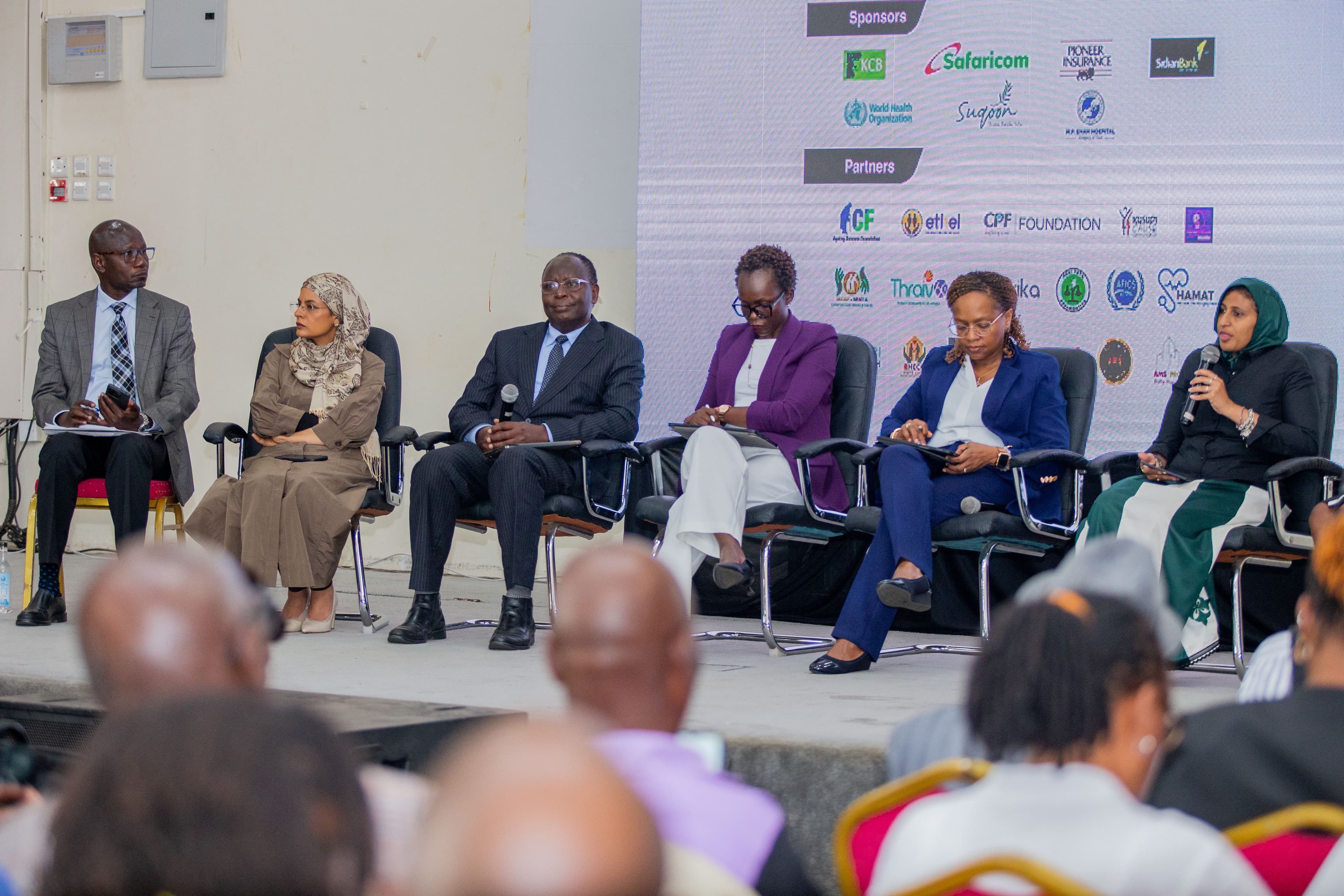
The call was made Wednesday during the International Day of Older Persons (IDOP) 2026 Scientific Pre-Conference at the Kenya Institute of Special Education (KISE) in Nairobi, bringing together health experts, researchers, policymakers, practitioners and older persons ahead of the main conference scheduled for October 1–2.
The discussions focused on how Kenya can respond to the changing demographics by improving data on older persons, strengthening geriatric and gerontological care, expanding social protection and ensuring older people are directly involved in decisions affecting their lives.
Dr. Rita Arogo of the World Health Organization said better data would be critical to planning for longer lives, noting that older persons should not be treated as one homogenous group because their needs vary considerably with age and circumstances.
She said Kenya's 2019 Population and Housing Census estimated that about 2.7 million people were aged 60 years and above, with women accounting for a larger share and most older persons living in rural areas.
According to Arogo, the health needs of older persons extend beyond individual diseases and may include hypertension, diabetes, dementia, depression, hearing and vision loss, as well as other conditions that often occur simultaneously.
The discussions therefore called for a shift from disease-specific approaches towards more integrated systems capable of addressing the multiple and interconnected needs associated with ageing.
Dr. Lydia Atambo, Chair of the IDOP 2026 Conference Organising Committee and Director of the Africa Center of Excellence for Healthy Ageing and Older Persons, said Kenya must prepare its systems before demographic changes place greater pressure on them.
Atambo identified gaps in data, healthcare, financial systems, infrastructure and policy frameworks, saying solutions should be developed with older persons rather than for them.
She also stressed that celebrating older persons should be accompanied by practical measures to ensure that communities and institutions respond to their needs.
The conference further highlighted challenges affecting older persons beyond healthcare, including social isolation, loneliness, elder abuse, poverty, limited access to justice, mobility difficulties, nutrition concerns, digital exclusion and inadequate family and community support.
Shakira Khawaja, founder of Suqoon Kenya, said increasing longevity should be accompanied by deliberate preparation for the social and economic realities that come with longer lives.
She pointed to the need for stronger legal and policy protections for older persons, improved data collection and wider access to social protection programmes.
Khawaja also called for consideration of the eligibility requirements for government social protection initiatives, arguing that some older persons may remain outside existing support systems.
The conference comes as Kenya joins the rest of the world on October 1 to mark the International Day of Older Persons under the theme “The Age of Longevity: Rethinking Systems for Longer Lives.”
The scientific pre-conference is examining issues including non-communicable diseases, cognitive decline, mental health, infectious diseases, elder abuse, nutrition, frailty, mobility, social connection, sexual and reproductive health, ethics, human rights and social protection.
Participants are also discussing how families, communities, government institutions and other stakeholders can work together to create environments in which older persons can remain active, connected and supported.
A recurring message from the discussions was the need to place older persons at the centre of policymaking and programme design.
Arogo said discussions on older persons cannot be meaningful if older people themselves are excluded from the table, while Atambo called for greater collaboration between government and non-state actors to develop evidence-based policies and systems.
Recommendations emerging from the scientific pre-conference are expected to contribute to the broader IDOP 2026 discussions and the conference communiqué, with a focus on practical measures to improve care, policy and support for older persons.
As Kenya's population continues to age, stakeholders say the challenge is increasingly shifting from simply helping people live longer to ensuring that additional years are lived in good health, with dignity, independence and purpose.