NAIROBI, October 1, 2026 — Kenya is moving to strengthen its health system to respond to a growing population of older persons, with the government announcing plans to establish the country's first Level 6 geriatric hospital.
The announcement was made on Thursday during the inaugural International Day of Older Persons Kenya 2026 National Conference at the Kenya Institute of Special Education (KISE) in Nairobi, where government officials, health professionals, older persons, researchers and development partners gathered to discuss how the country can prepare for longer lives.
Principal Secretary, State Department for Medical Services, Dr Ouma Oluga, said the establishment of the specialised hospital had already received approval from the Ministry of Health and key stakeholders.
His remarks, delivered by Secretary Administration in the Ministry of Health James Ntabo, formed part of the government's call for Kenya to move beyond responding to individual health conditions and build systems that are better suited to the needs of an ageing population.
The government said more than 3.2 million Kenyans are currently aged 60 and above, with that population projected to increase significantly in the coming years.
Oluga said the demographic shift requires deliberate investment in healthcare, human resources, research and community-based support for older persons.
At the centre of the government's approach is the Health, Ageing and Older Persons Health Strategy 2026, which seeks to improve the quality of services available to older persons while expanding access to essential geriatric medicines.
The strategy also prioritises the integration of geriatric care into primary healthcare, incorporation of healthy ageing into sectoral plans, development of human resource capacity in geriatrics and gerontology, and stronger research and multisectoral collaboration.
The government is also working towards establishing a dedicated division within the Ministry of Health responsible for health, ageing and older persons, alongside a national technical working group to coordinate efforts in the sector.
The discussions at the conference highlighted the need to prepare healthcare workers and caregivers for the increasing demand for specialised and long-term care.
Oluga called for the development of training programmes and clear capacity-building plans for healthcare providers and caregivers, as well as standards for aged and long-term care.
The government also pointed to the Social Health Authority as part of its broader efforts to improve access to healthcare among older persons, including coverage for conditions that commonly require long-term management.
Beyond medical care, the conference placed physical activity and preventive healthcare at the centre of discussions on healthy ageing.
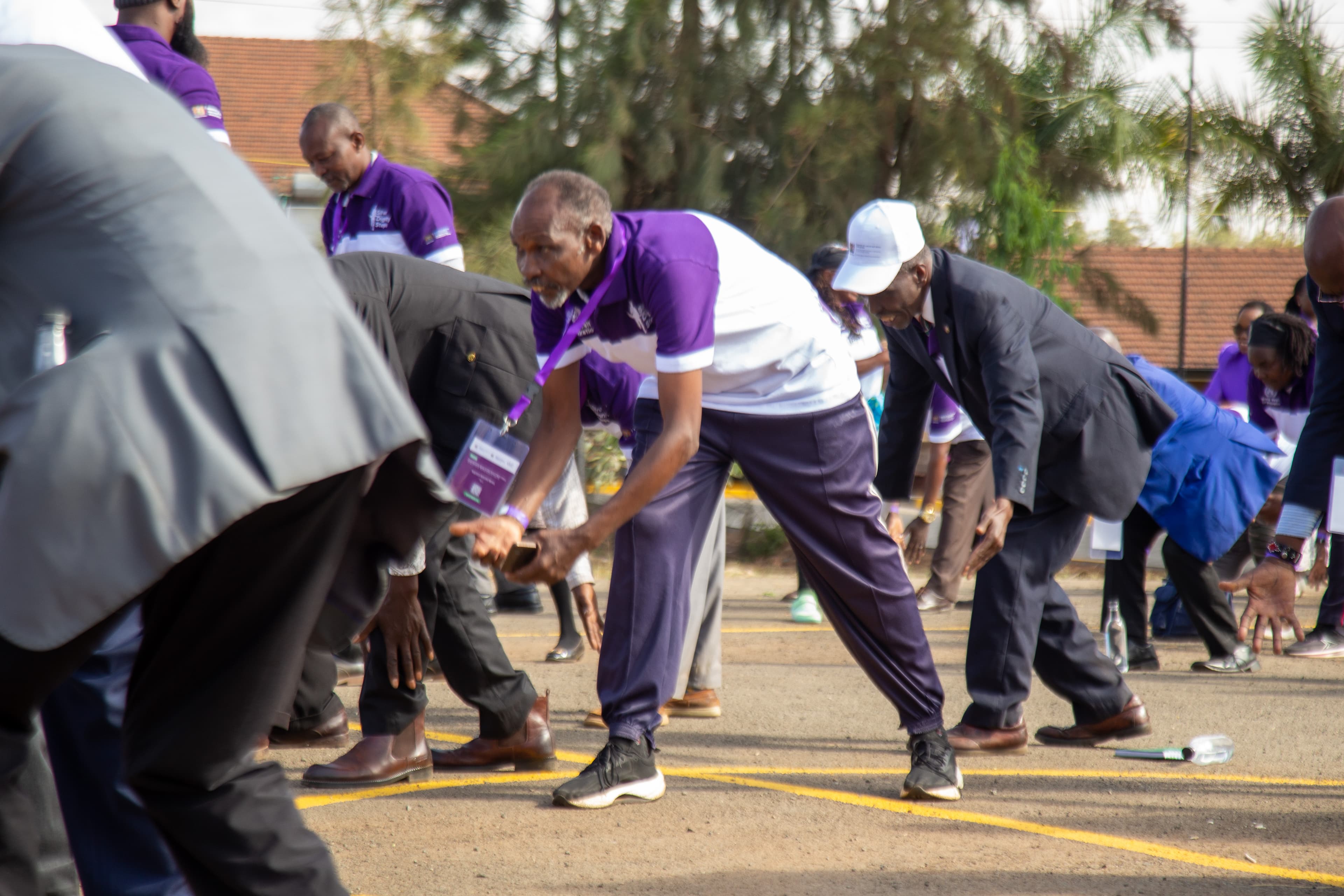
The Silver Dignity Steps, held as part of the conference programme, brought older persons together in a practical demonstration of the role of movement and physical activity in maintaining physical and mental wellbeing.
Oluga challenged stakeholders to sustain the initiative beyond the conference, with plans for a Silver Dignity Run in next year's International Day of Older Persons activities.
The proposed run has already attracted interest from Athletics Kenya and other partners, according to the Ministry of Health, signalling growing attention to healthy ageing beyond the health sector.
The conference was preceded by the Silver Dignity Walk, which brought older persons, government representatives, health professionals, development partners and members of the community together in Nairobi.
The activities marked Kenya's first national celebration of the International Day of Older Persons and opened the two-day national conference held under the theme, “The Age of Longevity: Rethinking Systems for Longer Lives.”
The discussions underscored that ageing is not solely a health issue, but one that cuts across social protection, families, communities, the economy and the provision of care.
For Kenya, the growing number of older persons is placing greater importance on whether existing systems can support people not only to live longer, but to remain healthy, independent and included in society.
The government and its partners are therefore using the inaugural national conference to push for a shift towards prevention, specialised care, stronger social protection and systems that recognise ageing as a national development priority.