The Independent Electoral and Boundaries Commission (IEBC) is coming under increased scrutiny over its preparedness for the 2027 General Election, with religious leaders and other stakeholders calling for greater accountability and sustained dialogue ahead of the polls.
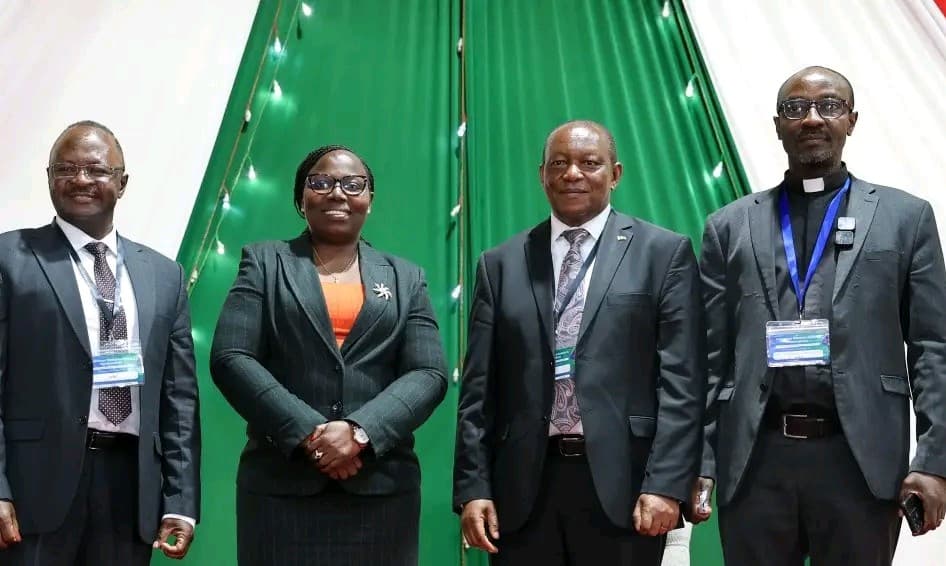
The call emerged during the National Stakeholders’ Convention on Democratic, Credible and Peaceful 2027 Elections, held at Ufungamano House in Nairobi from September 2 to 3, where participants examined potential threats to the electoral process and the responsibilities of institutions involved in the elections.
Representing the IEBC Chairperson at the convention, Commissioner Dr. Alutalala Mukhwana said the Commission was committed to delivering a credible, transparent and peaceful election, while urging stakeholders to play their respective roles in safeguarding the electoral process.
Mukhwana also called for the Commission to be held accountable as preparations for the 2027 polls continue, saying dialogue among stakeholders would be essential in charting Kenya's peaceful path to the election.
His remarks placed the spotlight not only on the readiness of the electoral body but also on the responsibility of other actors to ensure that the 2027 election does not become a source of political instability.
The convention brought together religious leaders, constitutional institutions, civil society organisations, professional groups and other actors in the democratic space to assess risks that could undermine the credibility and peaceful conduct of the elections.
The meeting comes less than a year before Kenyans are scheduled to vote on August 10, 2027, according to the IEBC's current election timetable.
IEBC

The religious leaders' intervention is particularly significant given the role faith-based organisations have historically played in promoting peace, civic participation and dialogue during Kenya's electoral cycles.
The convention was convened under the Kenya Religious Leaders Forum, bringing together the Kenya Conference of Catholic Bishops (KCCB), National Council of Churches of Kenya (NCCK), Evangelical Alliance of Kenya (EAK) and Supreme Council of Kenya Muslims (SUPKEM).
SUPKEM Secretary General Sheikh Abdullahi Salat said the Muslim leadership remained committed to peaceful democratic engagement, national cohesion, responsible civic participation and credible electoral processes.
Salat, who led the SUPKEM delegation alongside Head of Religious Affairs Sheikh Yusuf Maki, said faith communities had a responsibility to contribute constructively to peace, justice and national unity.
The emphasis on accountability comes as preparations for the 2027 elections increasingly move beyond electoral planning to questions around the conduct of political actors, security agencies, voters and other institutions.
Recent electoral preparations have also included discussions on campaign financing, voter engagement and security planning. In July, the IEBC conducted public participation on proposed Election Campaign Financing Regulations, with stakeholders calling for transparent and accountable campaign financing ahead of the next election.
Kenya News
The National Police Service has separately reaffirmed its commitment to impartiality, accountability and professional policing during the 2027 electoral period. Police officials also stressed the importance of early security planning and cooperation between security agencies, state institutions, religious leaders, the media and the public.
People Daily
For the stakeholders gathered at Ufungamano House, however, preparations alone will not be enough.
They want institutions involved in the electoral process to remain open to scrutiny, respond to emerging risks and maintain public confidence before, during and after the elections.
The convention therefore sought to develop practical interventions and commitments aimed at protecting the integrity of the electoral process, while encouraging continued engagement among religious institutions, constitutional bodies, civil society, professional organisations and citizens.
With Kenya now entering a critical phase of preparations for the 2027 General Election, the message from the convention was clear: credibility will depend not only on how the vote is conducted on election day, but also on the actions and accountability of institutions and stakeholders in the months leading to it.
The challenge now is for the commitments made at the convention to translate into concrete action as Kenya moves closer to the polls.