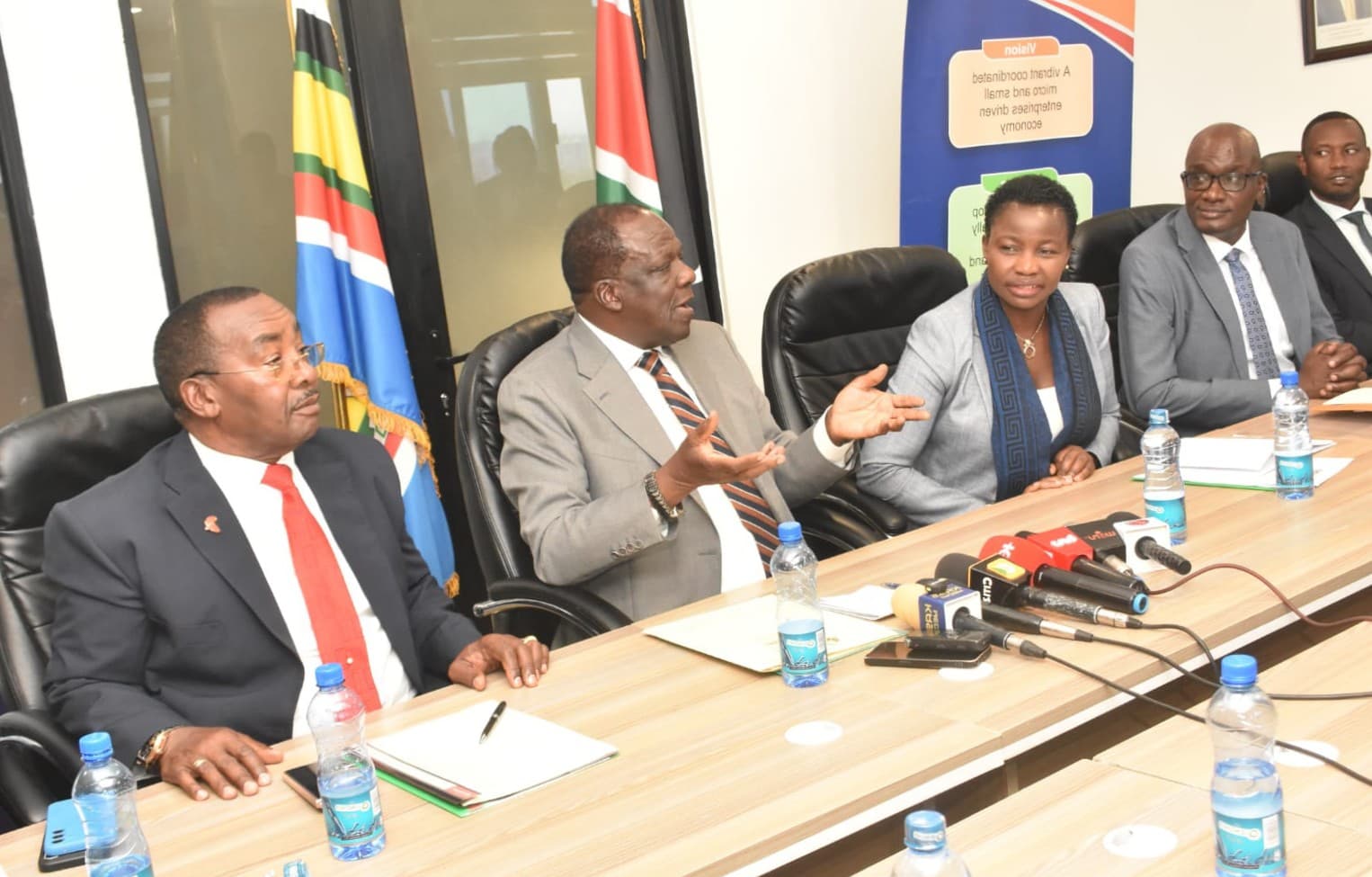
East African governments have been urged to move beyond education policies and commitments and focus on delivering measurable improvements in learning outcomes, skills development and employment opportunities for young people.
Cabinet Secretary for East African Community Affairs and Regional Development Beatrice Askul said the region had made significant progress in expanding access to education but warned that improved enrolment had not translated into corresponding gains in learning outcomes.
Speaking during the second EAC Regional Education Conference in Nairobi on Wednesday, Askul said governments must shift from making commitments to implementing policies that deliver tangible results and impact across education systems.
“Education policy must be judged not by the elegance of our policy documents, but by what learners can know, do, and access,” she said.
Askul said East Africa must also address the growing mismatch between education and the demands of a rapidly changing economy, particularly as artificial intelligence continues to transform workplaces and the skills required by employers.
She said the region’s population of more than 300 million, largely made up of young people, presents an opportunity to build human capital, increase productivity and accelerate economic development if education systems are strengthened.
The CS called for successful education innovations to be scaled beyond individual schools and districts and adopted across national education systems.
Association for the Development of Education in Africa Executive Secretary Albert Nsengiyumva challenged participants to leave the conference with concrete actions that would change how education is delivered.
“Being the second conference shows that we are committed to change and we have a great potential that we need to tap into,” Nsengiyumva said.
Uwezo Uganda Executive Director and Regional Education Learning Initiative Africa Board Chair Mary Goretti said achieving equitable and quality education would require resilient education systems and stronger partnerships capable of translating policy commitments into measurable learning outcomes.
EAC Deputy Secretary-General Andrea Aguer Ariik Malueth said education and skills development remain central to regional integration, noting that the EAC Treaty provides for cooperation among member states in education and training.
Uganda Minister of State for Education and Sports Phyllis Chemutai urged governments to critically assess existing education interventions, identify what is working and address areas that are failing to deliver the desired results.
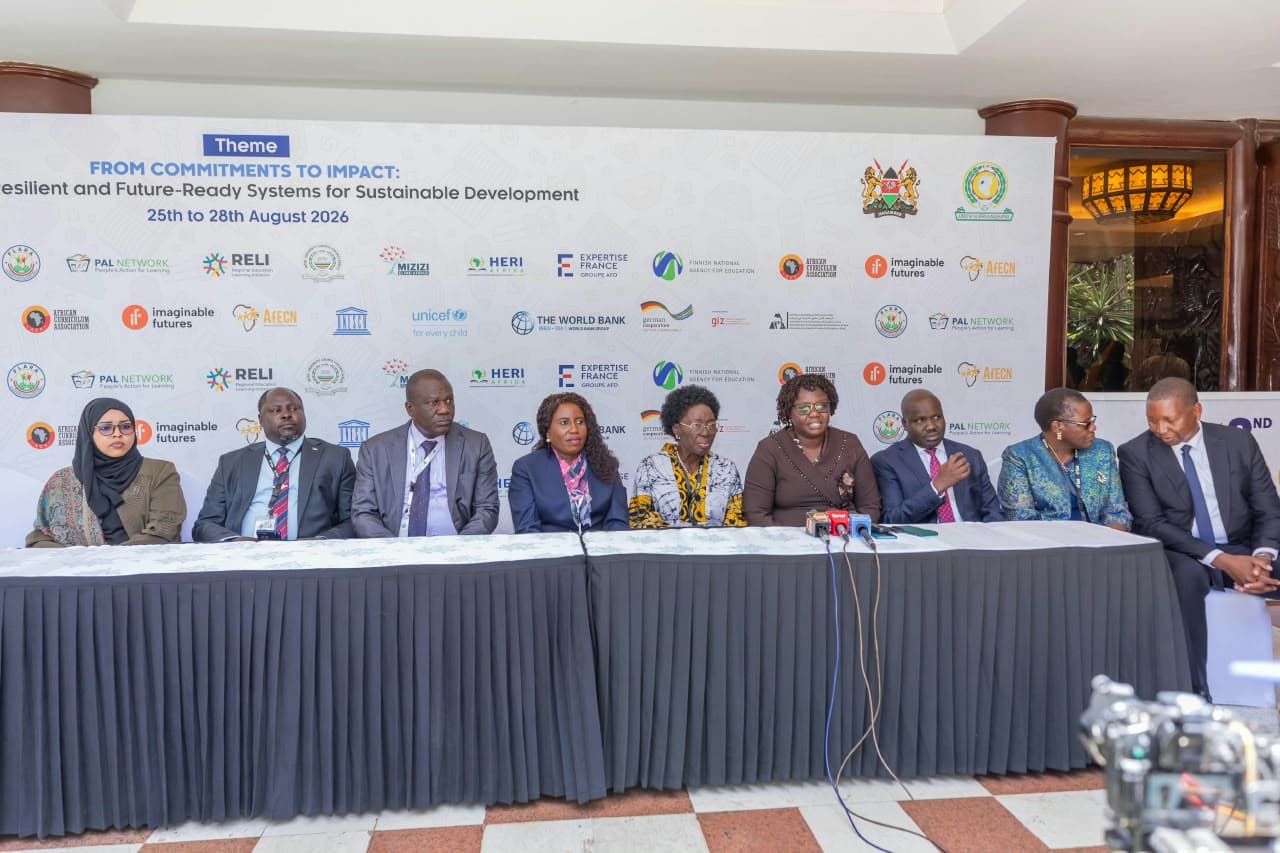
The four-day conference, running from August 25 to 28 in Nairobi, is being held under the theme, “Transforming Education in East Africa: From Commitments to Impact, Fostering Resilience and Future-Ready Systems for Sustainable Development.”
The conference comes amid persistent challenges facing education systems across the region, including inequalities in access and quality, weak transitions between education levels, skills mismatches and limited connections between technical and vocational education and industry.